


A Desperate Diplomatic Mission to Singapore
The recent visit by Australia’s Prime Minister to Singapore was marked by a palpable sense of urgency and desperation. While the air in the city-state was filled with the familiar scent of its famous chilli crab, it was the underlying tension around fuel supplies that dominated the conversation.
The Prime Minister’s last-minute diplomatic mission to Singapore was framed as a success, but this assessment remains uncertain. The guarantee of fuel supplies to Australia is still unclear, and current intelligence suggests that such assurances are unlikely to materialize anytime soon. This situation has been exacerbated by the ongoing conflict in the Middle East, which has disrupted global energy markets.

Despite the challenges, reaching out to a key energy trading partner like Singapore during this crisis makes sense. The Cook government’s response to the fuel shortage, including strategic stockpiling of diesel in Western Australia, is a welcome step. However, these measures are only temporary solutions to a more profound problem.
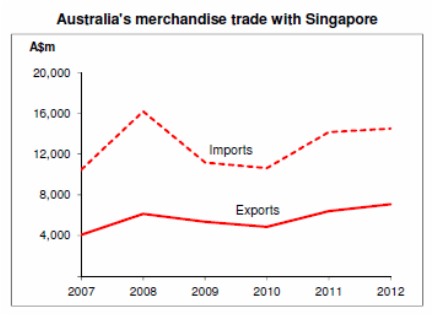
Singapore is not just any trade partner; it is Australia’s largest trade partner in Southeast Asia, with two-way trade valued at $47.4 billion in 2024. Approximately one-quarter of Australia’s fuel comes from Singapore’s refineries, which are among the world’s largest. In return, about one-third of Singapore’s LNG is sourced from Australia, primarily from Western Australia.
Many nations have sought meetings with Singapore’s Prime Minister, Lawrence Wong, to secure some form of assurance regarding fuel supplies. The Australian Prime Minister was one of only two leaders to secure a meeting since the war began, the other being South Korea. With regional fuel stocks dwindling and countries like Malaysia prioritizing their domestic needs, it was prudent for Albanese to emphasize Australia’s role as a critical gas supplier to Singapore.
However, my recent trip to Singapore confirmed that no guarantees would be made. Locals and business leaders emphasized that domestic requirements will always take precedence. With fuel prices already exceeding $4 per litre, many Singaporeans expect rationing or restrictions in the near future.
Singapore, known for its cleanliness, green spaces, and high cost of living, is often referred to as “the city of funds and fines.” Everything from littering to homelessness is illegal, with heavy penalties. The city-state has evolved significantly over the past 25 years, transforming from a former prisoner-of-war camp into a vibrant tourist destination.
The island paradise of Sentosa, meaning “tranquillity” in Malay, is now home to attractions like Resorts World Sentosa, featuring Universal Studios Singapore, the Harry Potter Experience, and the only casino in the country. These developments require substantial energy, much of which comes from Australia’s LNG.
Connections between Perth and Singapore run deep. Sean Soh, the marketing manager at Shangri La Rasa Sentosa Resort, is a UWA alumnus who plans to holiday in WA with his family. His father worked at the hotel when I visited more than two decades ago.
Western links also extend to Singapore’s political and business circles. Paul Everingham, a former CEO of the Chamber of Minerals and Energy of WA, is now the chief executive of the Asia Natural Gas and Energy Association. After three years, he has taken up a new role at MinRes, focusing on strategy and growth.
Importantly, Singapore produces no crude oil of its own. It imports approximately 70% of its oil from the Middle East, with refineries on Jurong Island processing heavy grades. This reliance on imports raises concerns about potential disruptions in fuel supply.
Despite these challenges, Singapore continues to grow and develop. More than 75% of its population resides in government housing, predominantly high-rise apartments on 99-year leases. The political positioning of the Prime Minister’s visit highlighted the importance of maintaining strong bilateral relations, even without explicit guarantees.
The joint statement released after the meeting emphasized the “strength of the relationship and the deep reservoir of strategic trust between our two countries.” The word “reservoir” was particularly notable, and the term “reaffirmed” was used five times in the document. While the statement went slightly further than the previous agreement to maintain fuel and gas flows, it still lacked concrete guarantees.
As the situation unfolds, the importance of maintaining strong international partnerships becomes increasingly clear. For Australia, securing reliable fuel supplies is not just a matter of economic necessity but a critical component of national security.