


UK Stands Against US Plan to Block Strait of Hormuz
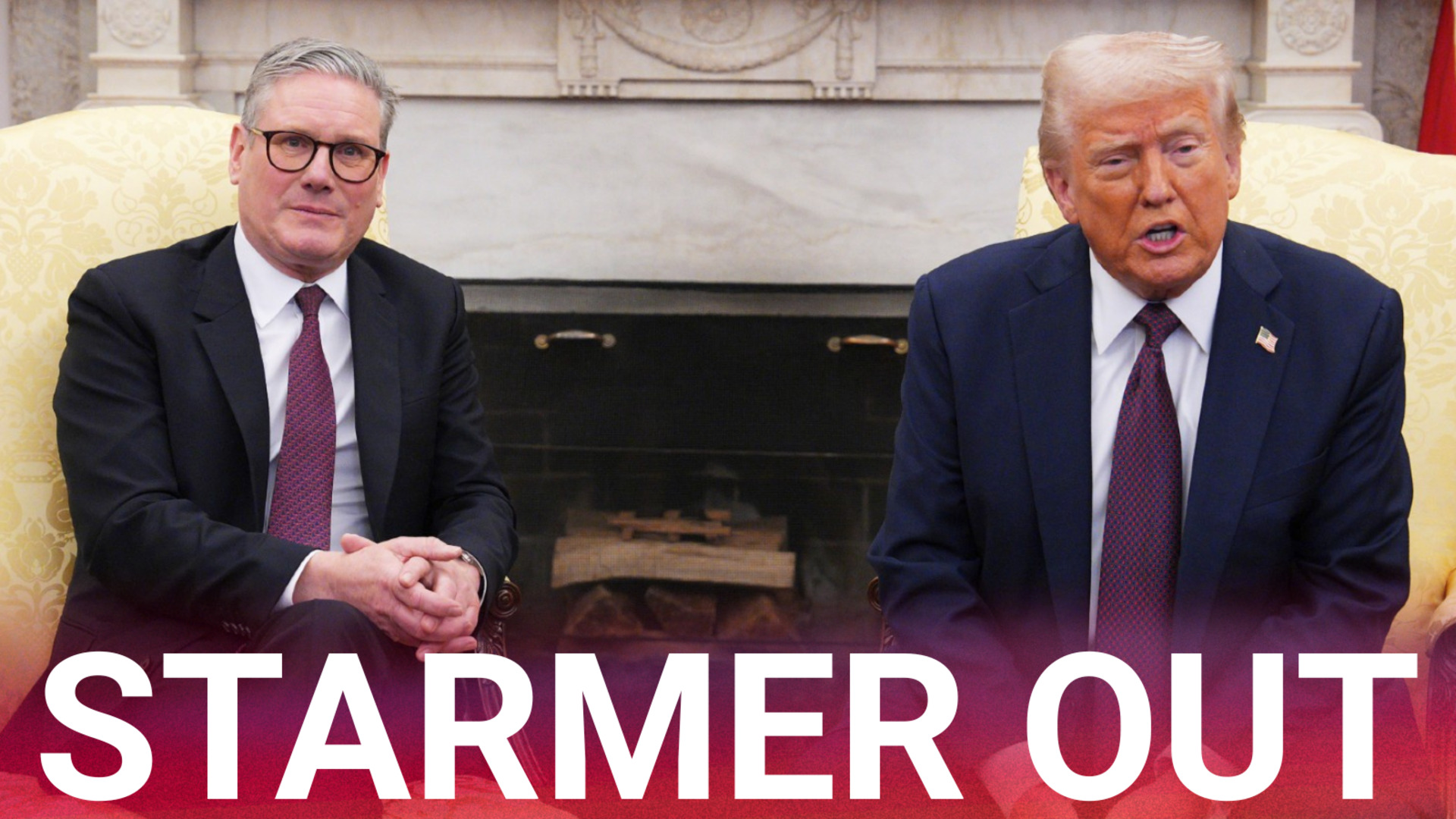
UK Prime Minister Keir Starmer has made it clear that the United Kingdom will not back the United States’ plan to block the Strait of Hormuz. This decision comes after US President Donald Trump announced that the US Navy would impose a blockade on any ships attempting to enter or leave the strategic waterway. The move has sparked significant international concern, particularly given the potential impact on global trade and regional stability.

According to reports, the UK has decided not to deploy warships to enforce the blockade. Instead, the country is reportedly sending minesweepers to clear the Strait. This approach reflects a more cautious stance, focusing on ensuring safe passage rather than engaging in direct confrontation.
The decision by the UK highlights the growing divide between the two nations on how to handle the escalating tensions in the region. While the US has taken a more aggressive posture, the UK appears to be advocating for a diplomatic solution. This divergence in strategy could have far-reaching implications for future cooperation between the two countries.
Background of the Blockade
The announcement of the blockade came following failed peace talks with Iran. These discussions were aimed at addressing concerns over Iran’s nuclear programme and its impact on regional security. Despite efforts to find a compromise, the negotiations ultimately collapsed, leading to the US’s decision to take more drastic measures.
The failed talks were led by US Vice President JD Vance, who spent 21 hours in discussions with Iranian officials. However, the talks did not yield any meaningful progress, as Iran remained firm in its refusal to abandon its nuclear programme. This outcome has raised questions about the effectiveness of diplomatic efforts and the need for alternative approaches to resolving the conflict.
Implications for Regional Security
The proposed blockade of the Strait of Hormuz has significant implications for regional security. The Strait is one of the world’s most important shipping routes, with a large portion of global oil trade passing through it. Any disruption to this vital waterway could have serious consequences for the global economy.
The UK’s decision not to support the blockade may be seen as a strategic move to avoid further escalation of tensions. By focusing on mine clearance rather than military enforcement, the UK is taking a more neutral stance, which could help maintain stability in the region.
However, this approach may also be viewed as a sign of weakness by some observers. Critics argue that the UK’s reluctance to support the US could undermine its credibility as a key ally. On the other hand, supporters of the decision believe that it demonstrates a commitment to peaceful resolution and responsible international engagement.
Looking Ahead
As the situation continues to unfold, it remains to be seen how other countries will respond to the US’s blockade plan. The international community is closely watching the developments, with many hoping for a diplomatic solution that avoids further conflict.
The role of the UK in this matter is particularly significant, as it is a major player in both European and global politics. Its actions could influence the broader response to the crisis and shape the future of international relations in the region.