


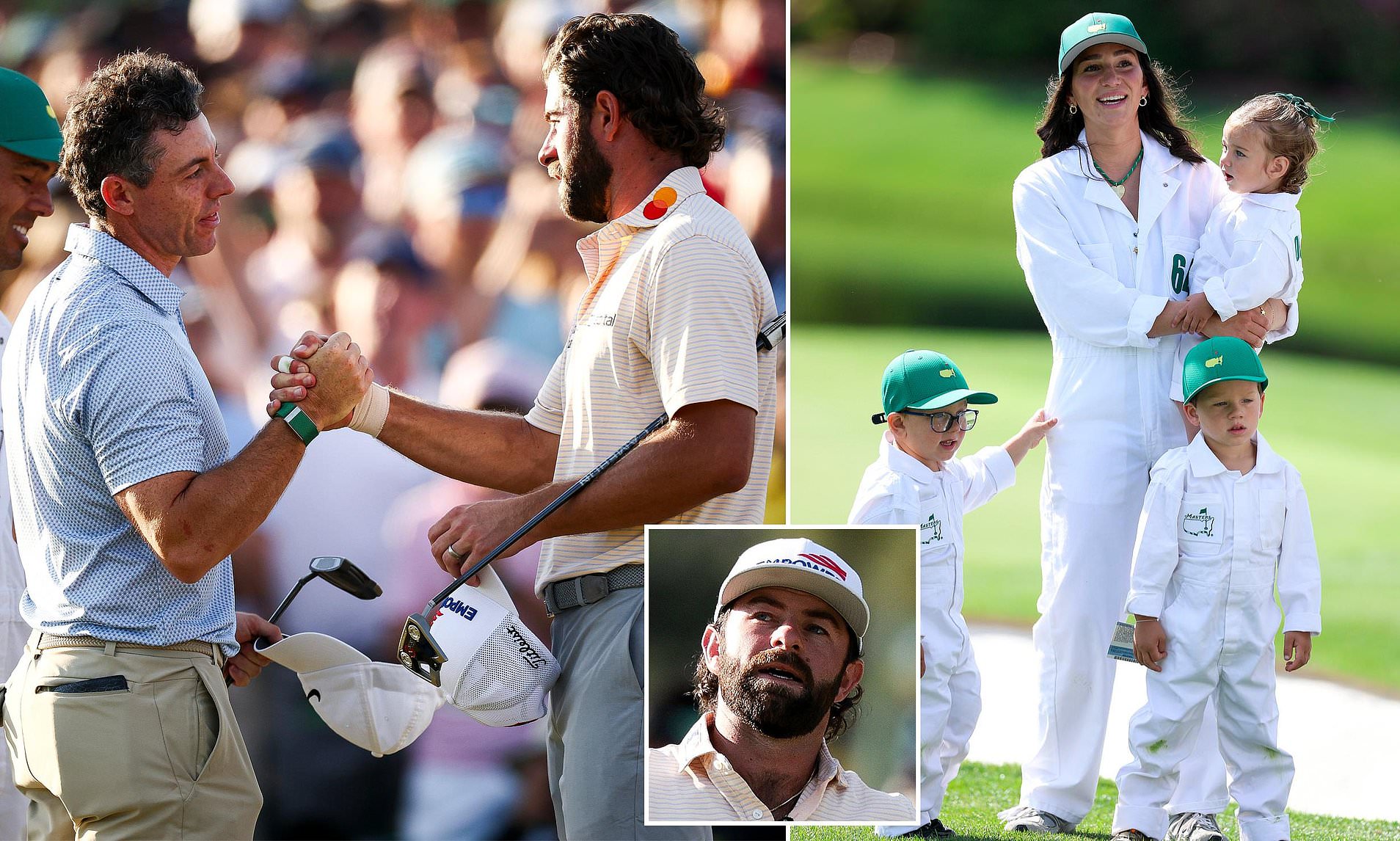
Rory McIlroy’s Emotional Masters Victory
Long before Cameron Young stepped onto the iconic Augusta National Golf Club on Sunday, long before he teed off in pursuit of golf’s most prestigious title, the world No 3 found himself searching for a place to pray. Even on Masters Sunday, even with a share of the lead, Young prioritized his spiritual needs. However, there was a challenge: he and his family, who are devout Catholics, were unsure where to go. Fortunately, churches are not hard to find in the area.
Unfortunately for this talented New Yorker, the path to a green jacket proved more treacherous than expected. It was around Amen Corner, the notorious three-hole stretch, that Young’s Masters dream faced its final test. At one point, he led by two shots, but by the time he reached that challenging section, he trailed by just one shot – still in the fight. However, it wasn’t long before Young’s momentum stalled while McIlroy found another level of performance. By the time Young reached the 14th tee, the gap had widened to three shots, and from there, Young struggled to respond.

“I played plenty well enough to win today and plenty well enough to win by a couple,” Young reflected. “I gave myself all the chances in the world and just didn’t make them… it just didn’t quite fall my way this time.”
Despite this setback, Young’s future remains bright. In the past eight months, he has claimed his first PGA Tour title, led Team USA at the Ryder Cup, won the Players Championship, and climbed to world No 3. This won’t be his last encounter with McIlroy at the Masters.
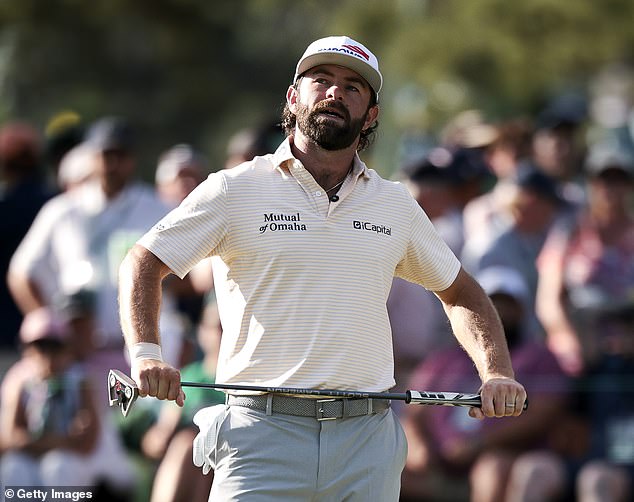
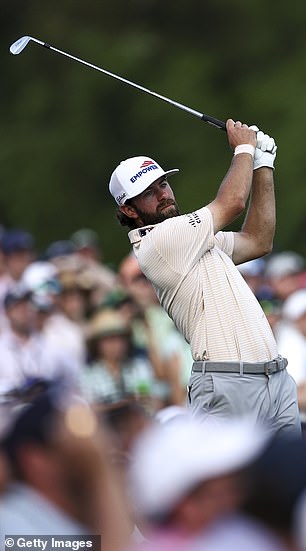
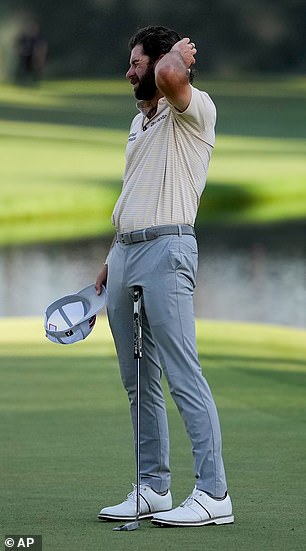
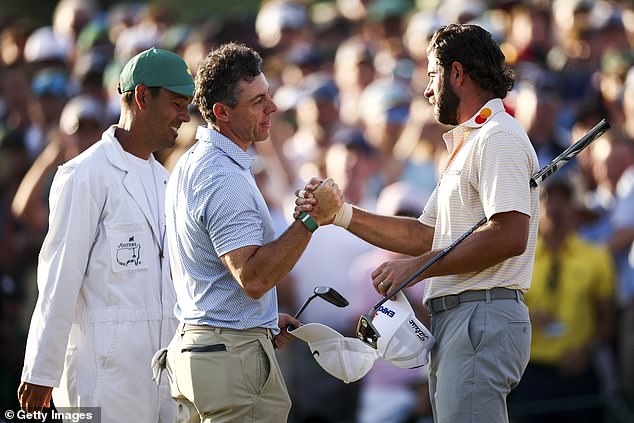
No one had a better view of McIlroy throughout the week. Young was part of the same group for the first two rounds and was reunited with the Northern Irishman shortly after 2pm on Sunday. From the very first hole of the tournament, Young found himself in McIlroy’s shadow, as he made a bogey while the defending champion began his trademark stride towards the top of the leaderboard.
By the 10th tee on Thursday, Young was four-over-par – six shots behind McIlroy. That gap remained unchanged by the end of the round. On Friday, even as Young started to find his rhythm, McIlroy continued to dominate, birdieing six of the final seven holes to secure a historic halfway lead.
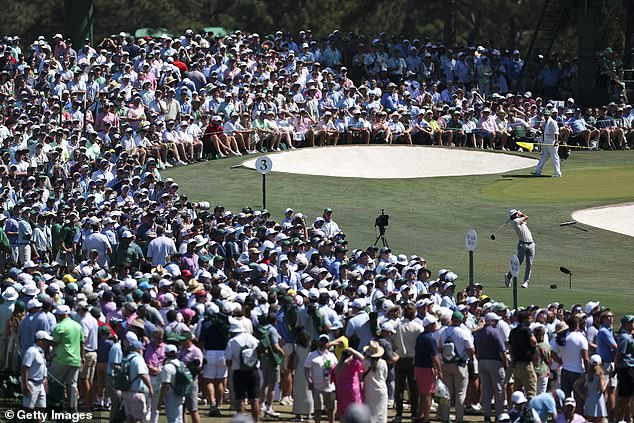
It’s no wonder that Young was grateful to be alongside McIlroy once again in the final group. He vowed to “attack” the final round and did so, starting with a birdie at the second hole. However, it soon became clear that the time spent with McIlroy had taken its toll. On Sunday afternoon, Young began to exhibit the same capacity for mayhem that McIlroy is known for.
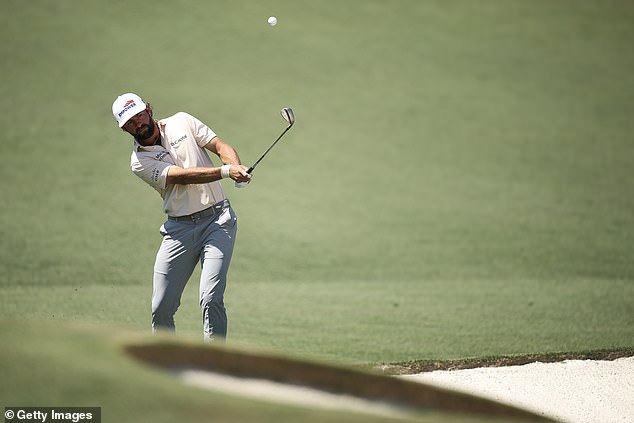
After McIlroy benefited from several lucky breaks during a Saturday 65, luck seemed to turn against Young, as he began to pay for his mistakes. He bogeyed holes six and seven, and at the ninth, he found himself in the trees before taking another shot that ended up in a divot. In truth, things could have been worse had the American not managed to pull off some remarkable shots amid the chaos.
At the eighth hole, for instance, Young sent his chip beyond the flag, off the green, and toward a slope. The ball rolled up the hill before turning back and ending up seven feet from the hole. That would prove to be his final birdie of the day. His back nine consisted mostly of pars, despite numerous opportunities. He had makeable birdie putts at holes 12, 13, 14, and 15, but none found the hole.
“Just one of those days,” Young said. “Through the back nine I pretty much had a birdie chance on every hole and didn’t make any.”
The proof that this was not his day came at the par-three 16th, when his birdie putt from 17ft dipped into the cup, rolled around to its right, and then climbed back out. By then, McIlroy had already secured another green jacket. On Sunday last year, the Northern Irishman gave Bryson DeChambeau the silent treatment, and there wasn’t much conversation with Young either.
“I’m not one to talk a lot to begin with, and I don’t think he really wanted to talk to me today,” the American said. “[It’s] Sunday at the Masters in the final group – I don’t wish anything poorly on the guy, but we’re playing against each other. We’re not trying to be best friends out there.”
They had spent enough time together, in fairness. Conversation had probably run dry. What was left to say? Except, perhaps: May the best man win.